UK Begins Mass Production of SG-1 Fathom Naval Drones for Undersea Surveillance
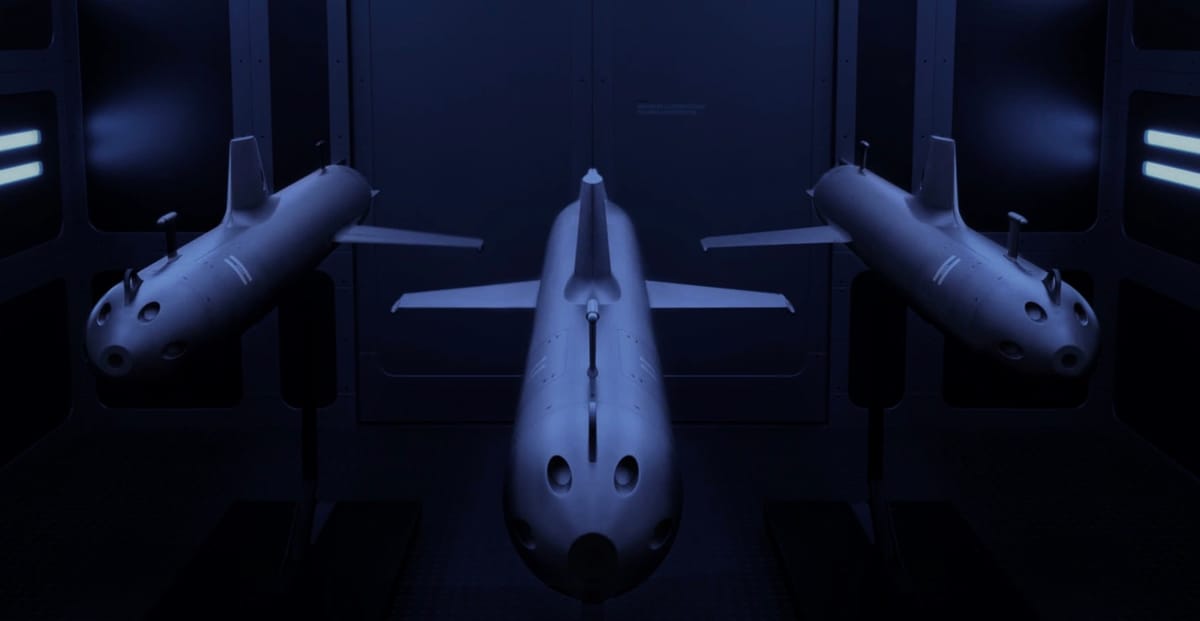
The UK has initiated mass production of the SG-1 Fathom naval drones, aimed at enhancing the British Navy's undersea surveillance capabilities. These drones are expected to play a crucial role in modern naval operations, contributing to maritime security and intelligence gathering.

Key facts
- UK initiates mass production of SG-1 Fathom naval drones.
- Drones enhance undersea surveillance and intelligence capabilities.
- Part of a broader strategy to modernize the British Navy.
2 minute read
The UK's shift to mass production of the SG-1 Fathom signals a deliberate push to dominate the undersea information space. Autonomous platforms that stay on station for long periods can map, detect and classify activity around critical sea lanes and seabed infrastructure. Combined with P-8A patrol aircraft, Type 26 frigates and fixed seabed sensors, the drones add an affordable layer of persistence that reduces risk to crewed assets and closes gaps in the North Atlantic surveillance picture.
For NATO, the strategic effect is burden sharing and tempo. Standardised underwater drones and common data pipelines would allow allies to monitor the GIUK gap, the Baltic and the Mediterranean with continuous coverage, cueing submarines and aircraft only when needed. The United Kingdom is well placed to lead doctrine and interoperability work, provided it opens interfaces, shares data formats and aligns command and control with partners such as Norway, France and Germany.
Industrial scale matters as much as technology. Mass production implies a maturing domestic supply chain, lower unit costs and faster refresh cycles, advantages that make exports to European allies plausible. The programme will test cyber resilience, autonomy in contested waters and resistance to adversary counter-UUV tactics, areas where NATO experimentation and red teaming are essential. Policy makers must also address rules for operating near commercial cables and pipelines, escalation risks and attribution challenges under the law of the sea.
If integrated coherently, drones like SG-1 can release submarines for high-end tasks while multiplying day to day presence and deterrence. Budget and integration risks remain, but spiral development and software updates can deliver capability quickly. Europe is moving toward networked, unmanned maritime systems that redefine deterrence and surveillance.