UK Research Enhances Drone Technology for Agriculture
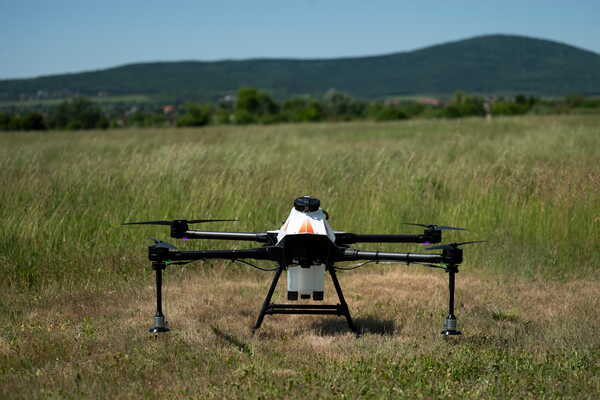
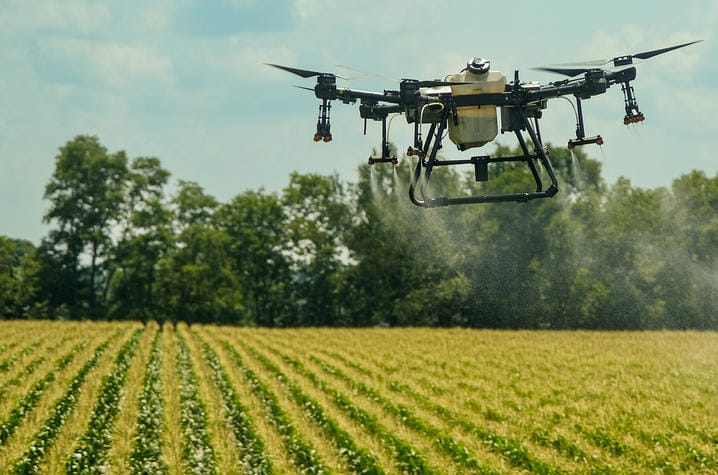
Recent UK research initiatives are focusing on optimizing drone technology for agricultural applications. This development aims to improve farming efficiency and sustainability through advanced drone capabilities. The integration of drones into farming practices is set to revolutionize crop monitori
Key facts
- UK research focuses on optimizing drones for agricultural applications.
- Drones are expected to enhance crop monitoring and resource management.
- The initiative aims to promote sustainable farming practices.
2 minute read
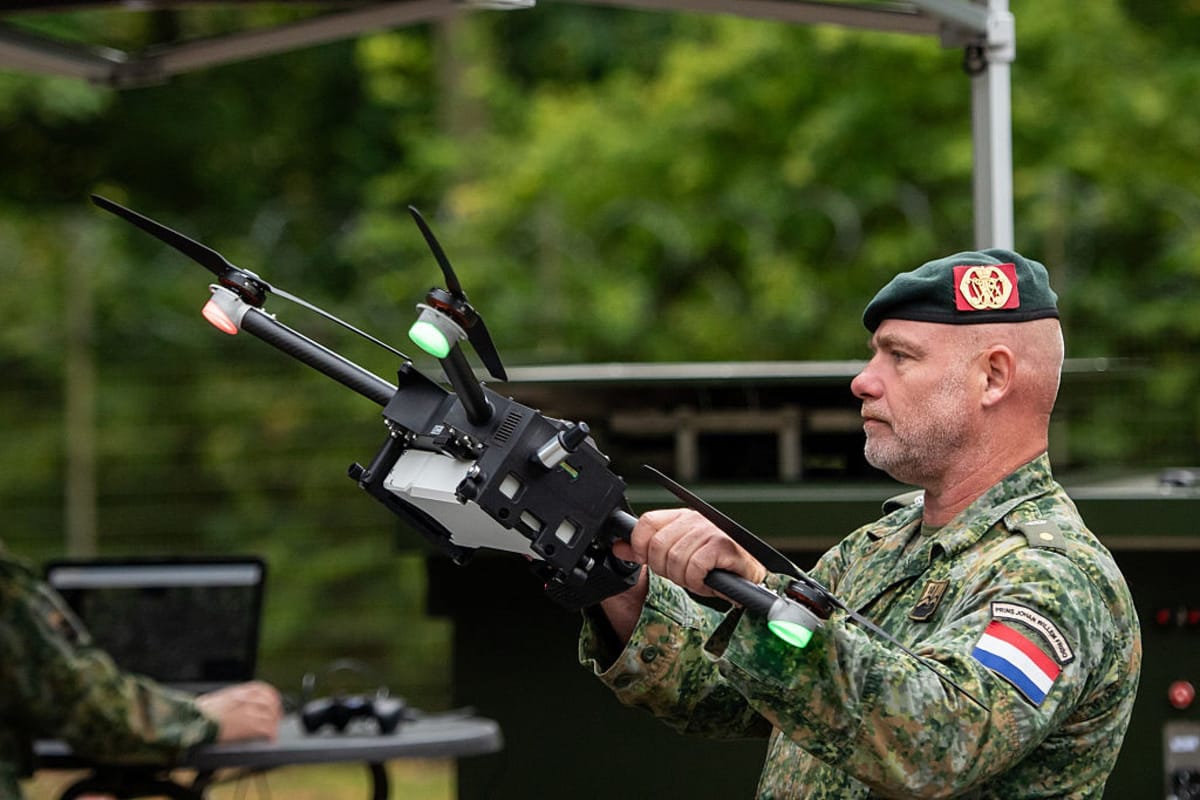
UK research into agricultural drones represents far more than a simple farming upgrade. It is emerging as a proving ground for dual-use unmanned systems, where civilian innovation directly informs defence and security capabilities. Precision sensors, edge AI, reliable BVLOS (Beyond Visual Line of Sight) communications, and longer endurance — proven in agricultural settings — translate seamlessly into reconnaissance, logistics, and disaster-response applications.
For Europe and NATO, this presents a low-risk path to scale core UAS (Unmanned Aerial Systems) capabilities while fostering public acceptance and operator proficiency. The strategic value lies not only in technology but in standards and governance. Aligning UK and EU regulations on U-space, detect-and-avoid systems, and spectrum management would limit fragmentation and enable cross-border operations during crises. Close coordination between EASA, the UK Civil Aviation Authority, and NATO Centres of Excellence could accelerate interoperability in command and control, data formats, and cybersecurity.
Agriculture also spotlights a key industrial challenge: the resilience of Europe’s drone supply chain. European governments are intent on reducing dependency on Chinese airframes, sensors, and datalinks. Leveraging agricultural demand can help European primes and SMEs reach production scale, de-risking defence procurement while strengthening the continent’s industrial base. Funding programs such as the European Defence Fund (EDF), Horizon Europe successors, and Innovate UK could prioritise trusted components, resilient positioning-navigation-timing (PNT) systems, and anti-jam navigation technologies.
Ultimately, adoption will depend on economics. Service-based business models and targeted incentives under the EU’s Common Agricultural Policy (CAP) and the UK’s Sustainable Farming Incentive (SFI) could accelerate uptake, expanding a talent pipeline directly relevant to defence UAS. As dual-use drones evolve from the field to the front line, they are set to shape Europe’s next generation of force design.
If you like, you may also read...
 Mr. T (Curator)
 José Vadio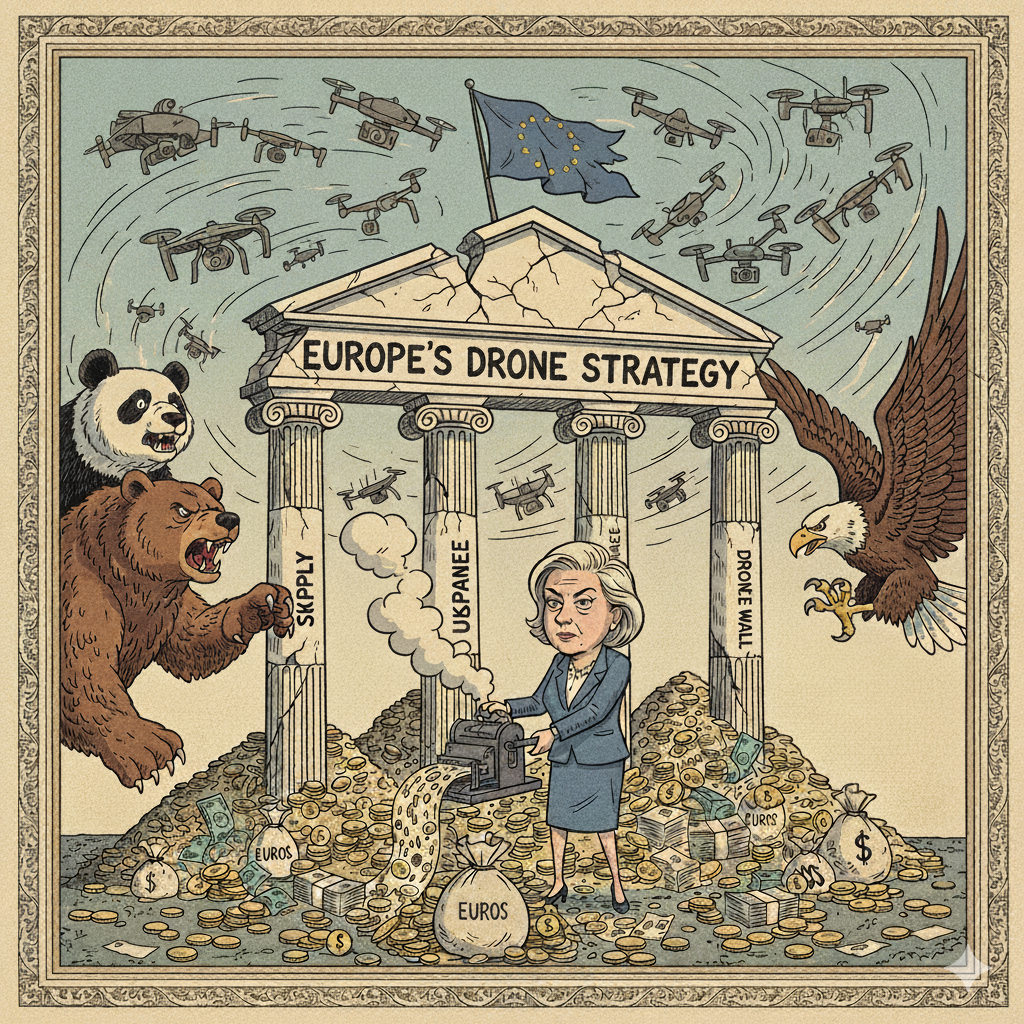
 Mr. T (Curator)