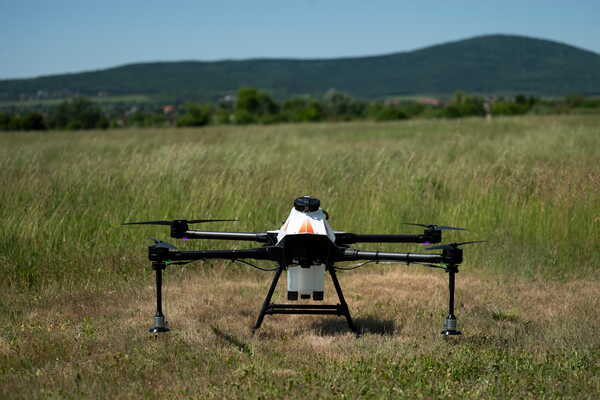
Ukraine and France Unveil Advanced Jet-Powered Interceptor Drones
Ukraine and France have jointly launched next-generation jet-powered interceptor drones, designed to counter threats from Shahed drones used by Russia. This collaboration aims to enhance aerial defense capabilities amid ongoing conflict, showcasing advancements in drone technology.

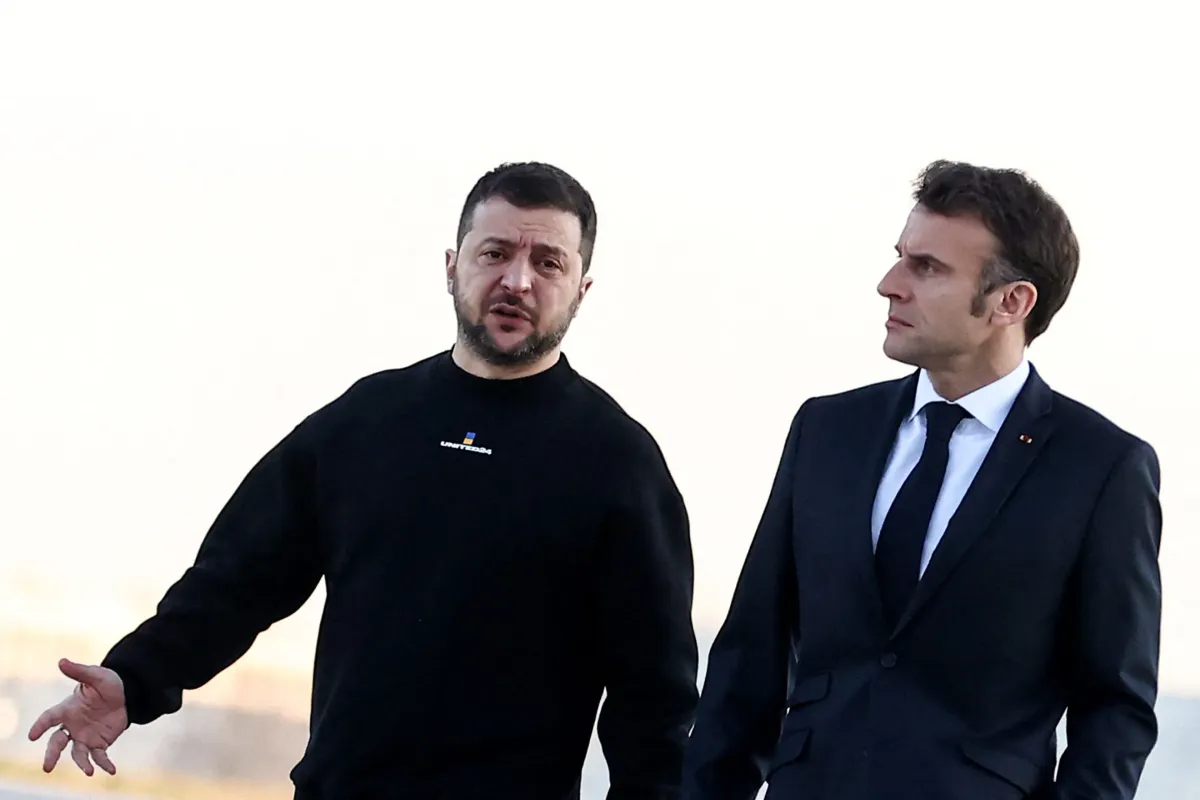
Key facts
- Ukraine and France have launched next-gen jet-powered interceptor drones.
- These drones are designed to counter Russian Shahed drones.
- The initiative enhances European defense collaboration amid ongoing conflict.
4 minute read
Ukraine and France are moving beyond temporary fixes to build a serious, industrial-scale defense against Russian drones.1 The shift involves deploying jet-powered interceptor drones designed specifically to blunt the relentless Shahed barrages.2 This isn't just about using new technology for the sake of novelty; it is a calculated move to conserve Ukraine's scarce and expensive surface-to-air missiles.3 The real strategic value here lies in integration and scale. If these new systems can successfully plug into NATO’s air picture, accept automated commands, and operate under strict rules of engagement in urban areas, they offer a way to drastically cut the "cost per kill" while relieving the pressure on high-tier defense systems.
For Ukraine, this evolution means pairing mobile radar, passive RF sensors, and electro-optical networks with human oversight to speed up engagements without increasing the risk of friendly fire. "Just two weeks after passing NATO validation, our system demonstrated its effectiveness by successfully destroying Russian Shahed drones," noted Hadrien Canter, CEO of Alta Ares, highlighting the immediate impact of this joint engineering effort.4 The program also signals a major policy shift toward co-development, anchoring production in Europe to harden supply chains.5 By aligning requirements and pooling orders through EU or NATO instruments, Paris and Kyiv can quickly establish common datalinks and shared tactics.
When executed well, this creates a sovereign short-range tier that complements heavy hitters like Patriot and SAMP/T batteries, saving those premium interceptors for cruise and ballistic missile threats.6 Operationally, these jet interceptors can patrol gaps where traditional anti-aircraft guns or MANPADS might be overwhelmed, or where weather conditions blind optical sensors. They can surge along flight corridors to take out targets without wasting expensive interceptors, though they will need robust electronic protection to survive in a spectrum-contested environment.
The success of this initiative will ultimately come down to unit economics. As Russia relies on mass quantities of cheap, attritable drones, the production tempo, engine availability, and training pipelines for these interceptors become critical. "We have combat experience, France has a powerful industry. This is a mutually beneficial partnership," Ukrainian Minister of Defence Rustem Umerov has emphasized, underlining the logic behind the collaboration. Politically, this binds France to Ukraine’s urgent timelines and pushes allies toward rapid software iteration and common procurement. The result is a vision of a European air defense that is more layered, interoperable, and increasingly autonomous.