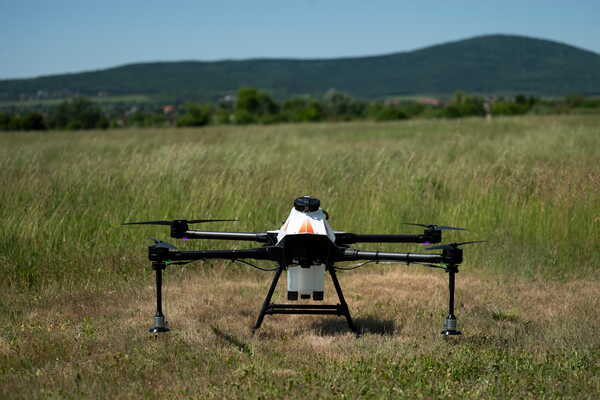
Ukraine and Norway launch joint drone production
Ukraine and Norway have launched a joint drone production effort to boost Ukrainian manufacturing and supply of unmanned aerial systems.

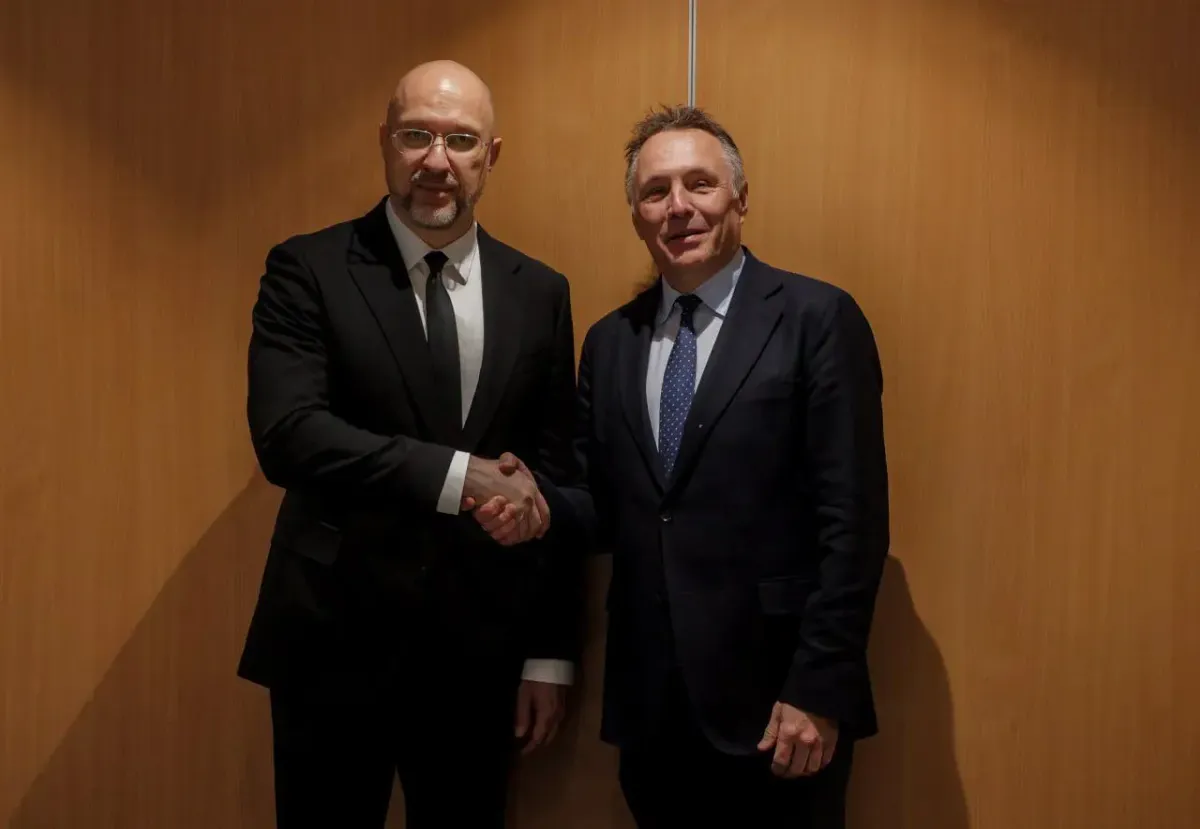
Key facts
- Ukrinform reports Ukraine and Norway have launched a joint drone production initiative in Ukraine.
- The project aims to build sustainable local production, technology transfer and resilient supply for Ukrainian forces.
- Key challenges include financing, export controls, certification, and securing supply chains and oversight.
2 minute read
Ukrinform reported that Ukraine and Norway have launched a joint drone production initiative intended to establish or expand manufacturing of unmanned aerial systems in Ukraine. The public information is limited: the announcement names the two countries as partners but does not, in the available report, disclose firm-level participants, production volumes, specific locations, or a timeline. The move is nevertheless significant. It represents a transition from reliance on imports and ad-hoc deliveries toward locally based, sustainable production capacity supported by a NATO member state.
Strategic rationale: onshore production can shorten supply chains, reduce delivery times to front-line units, enable tailored systems for Ukrainian operational needs, and preserve critical know‑how in country. It may also create jobs and underpin a nascent export capability to allied customers, subject to export controls.
Risks and constraints: financing and investor appetite will determine scale; certification and quality-assurance regimes are needed to ensure safety and interoperability; supply‑chain security must be managed to avoid sabotage or materiel diversion; and legal/export frameworks will define who can buy the produced systems. Norway’s involvement brings technical expertise and access to Western standards, but also raises governance questions on oversight and end‑use monitoring.
European implications: the project could serve as a template for integrating Ukrainian industrial capacity into wider EU/NATO defence supply chains, provided allied support for financing, regulation and security is sustained. More granular details from officials and participating companies will be needed to assess real impact and timelines.
Source: Ukrinform