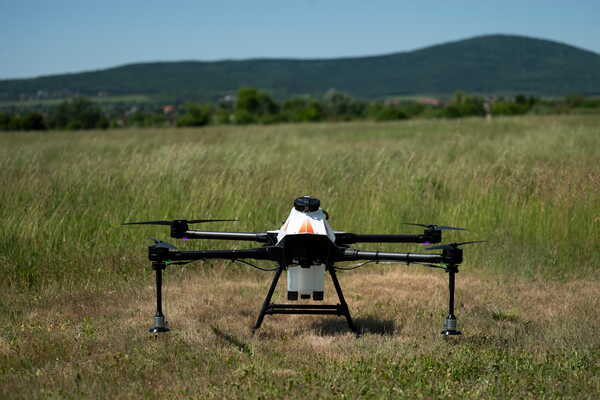
Ukraine builds an ‘anti-drone dome’ with interceptor UAVs
Ukraine is creating an 'anti-drone dome' by combining interceptor UAVs, mobile air‑defence teams and sensors to protect key areas from hostile drones.


Key facts
- Kyiv Post reports Ukraine is building a layered 'anti‑drone dome' using interceptor UAVs and mobile air‑defence teams.
- The system pairs interceptor drones with mobile short‑range weapons and electronic warfare to create overlapping kill chains.
- European partners supply equipment and training, but sensor gaps, sustainment and EW countermeasures remain challenges.
2 minute read
Ukraine is moving beyond ad hoc measures and developing what Kyiv Post describes as an "anti‑drone dome": a layered counter‑UAS system that combines interceptor drones, mobile air‑defence crews and improved detection and command links. The concept reflects combat experience: low‑cost Russian loitering munitions and small attack drones have become a persistent, attritional threat to infrastructure, logistics and front‑line positions. By integrating interceptor UAVs to engage threats at standoff ranges with mobile teams that can deploy short‑range air‑defence guns, electronic‑warfare packages and other C‑UAS tools, Ukraine seeks overlapping, rapidly reconfigurable layers of defence.
Operationally, the dome emphasises mobility and decentralisation. Mobile teams can reposition as the battlefield evolves, while interceptor drones extend the outer engagement envelope and reduce the burden on static sensors and guns. Kyiv also stresses domestic adaptation and rapid fielding: Ukrainian industry and local technicians are modifying platforms and integrating commercially available sensors to close capability gaps. European partners have provided components, training and intelligence support, accelerating integration but not eliminating logistical and doctrinal challenges.
Analytically, the effort matters for European defence policy because it highlights the need for scalable, affordable C‑UAS solutions that can be fielded quickly by partners instead of relying only on high‑end, costly systems. The anti‑drone dome model underscores three priorities for NATO and EU planners: improving sensor networks and data links, supporting mobile and modular C‑UAS units, and investing in counter‑electronic‑warfare resilience. If sustained, the approach could raise the operational cost for adversary drone campaigns, but it will also require continued supply of munitions, spare parts and training to remain effective.
Source: Kyiv Post