Ukraine Pursues Saab Gripen Fighter Purchase from Sweden
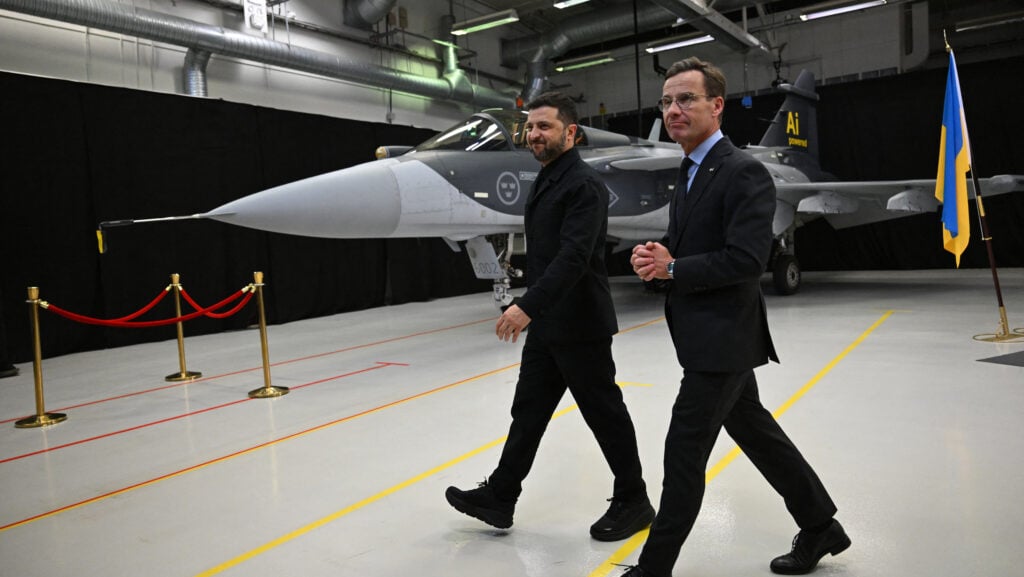
Ukraine is taking significant steps towards acquiring a fleet of Saab Gripen fighter jets from Sweden. This move marks a crucial development in military cooperation between the two nations, as stated by the Swedish Prime Minister. The deal aims to bolster Ukraine's defense capabilities amidst ongoin

Key facts
- Ukraine aims to buy multiple Saab Gripen fighters from Sweden.
- The deal signifies a strengthening of military ties between Sweden and Ukraine.
- Swedish Prime Minister emphasizes the importance of this export deal.
2 minute read
Kyiv’s pursuit of the Gripen signals a deliberate effort to diversify its fast jet fleet while aligning closer with European industry and NATO standards. The aircraft’s design for dispersed operations, including use from road bases, fits Ukraine’s need for survivable airpower under persistent missile and drone threat. It also offers an additional pathway to Western munitions and sensors, though integration choices will be shaped by export approvals and the need to harmonize with the F-16 ecosystem already underway.
For Sweden, the move underscores a strategic shift from nonalignment to active contribution to European security. Authorizing a major combat aircraft export linked to a high-intensity war would mark a new phase in Swedish policy and solidify Stockholm’s position as a consequential NATO supplier. The decision will hinge on balancing Swedish Air Force readiness, industrial capacity, and alliance priorities, including how quickly airframes, training slots, and sustainment packages can be mobilized without eroding national readiness.
Operationally, success depends on training pipelines, ground support, and access to advanced weapons. Gripen’s strengths will be fully realized only with reliable stocks of air to air and air to surface munitions, resilient maintenance, and secure basing. Parallel F-16 and Gripen fleets raise complexity, but they also create redundancy, complicate adversary planning, and expand the menu of tactics available to Ukraine and NATO partners supporting it.
Industrial and political factors are inseparable. A deal would reinforce Europe’s push to scale its defense industry, support common standards, and reduce dependency on single suppliers. Financing, technology transfer, and third party licensing will shape timelines. If Sweden and partners manage approvals and delivery sequencing, the Gripen could strengthen Ukraine’s air defense posture while advancing Europe’s rearmament agenda. Europe’s airpower is moving toward a faster, more distributed model built for sustained competition.