Ukraine's Long-Range Drones Enhance Combat Against Russia
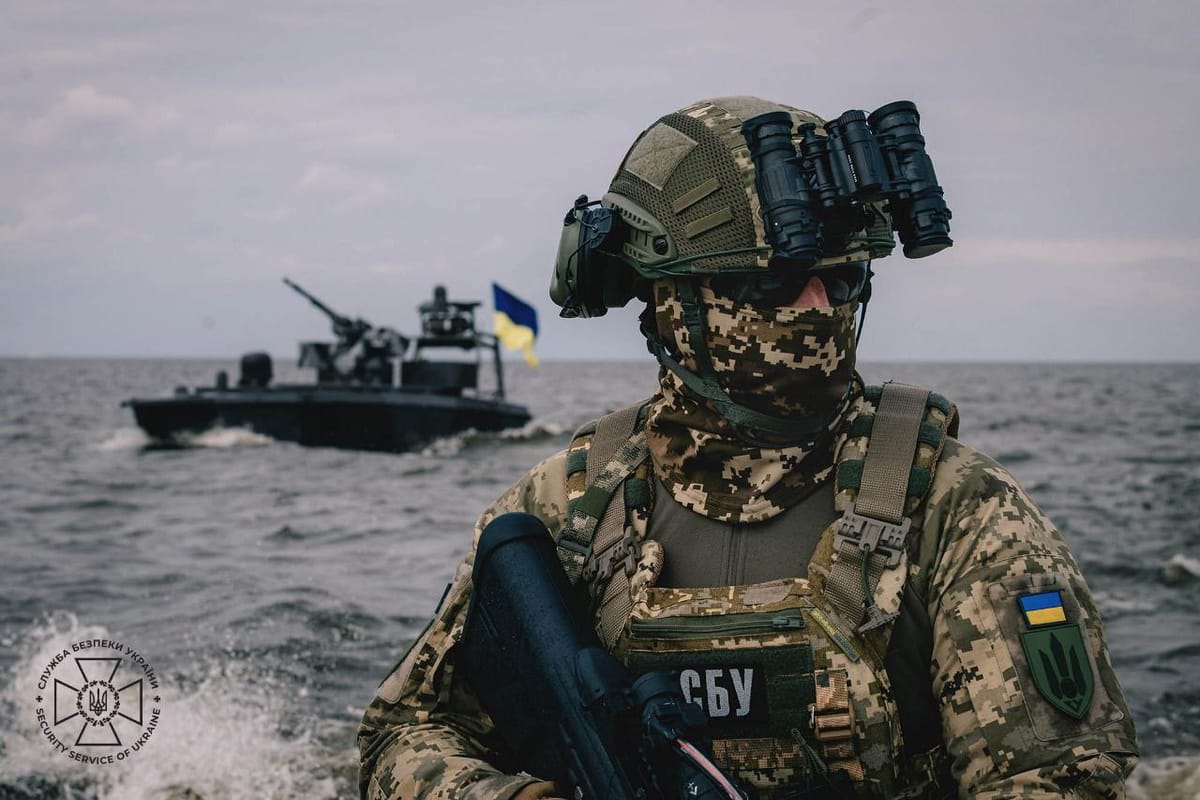
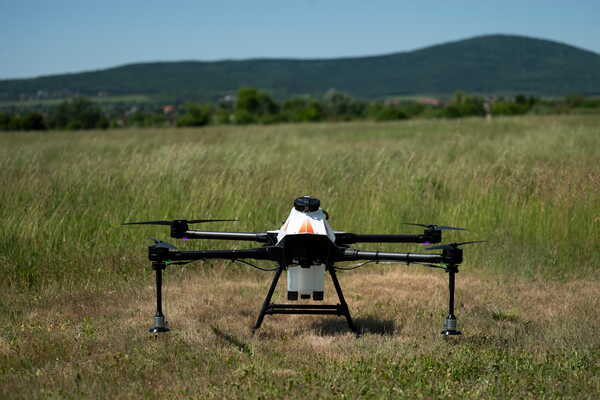
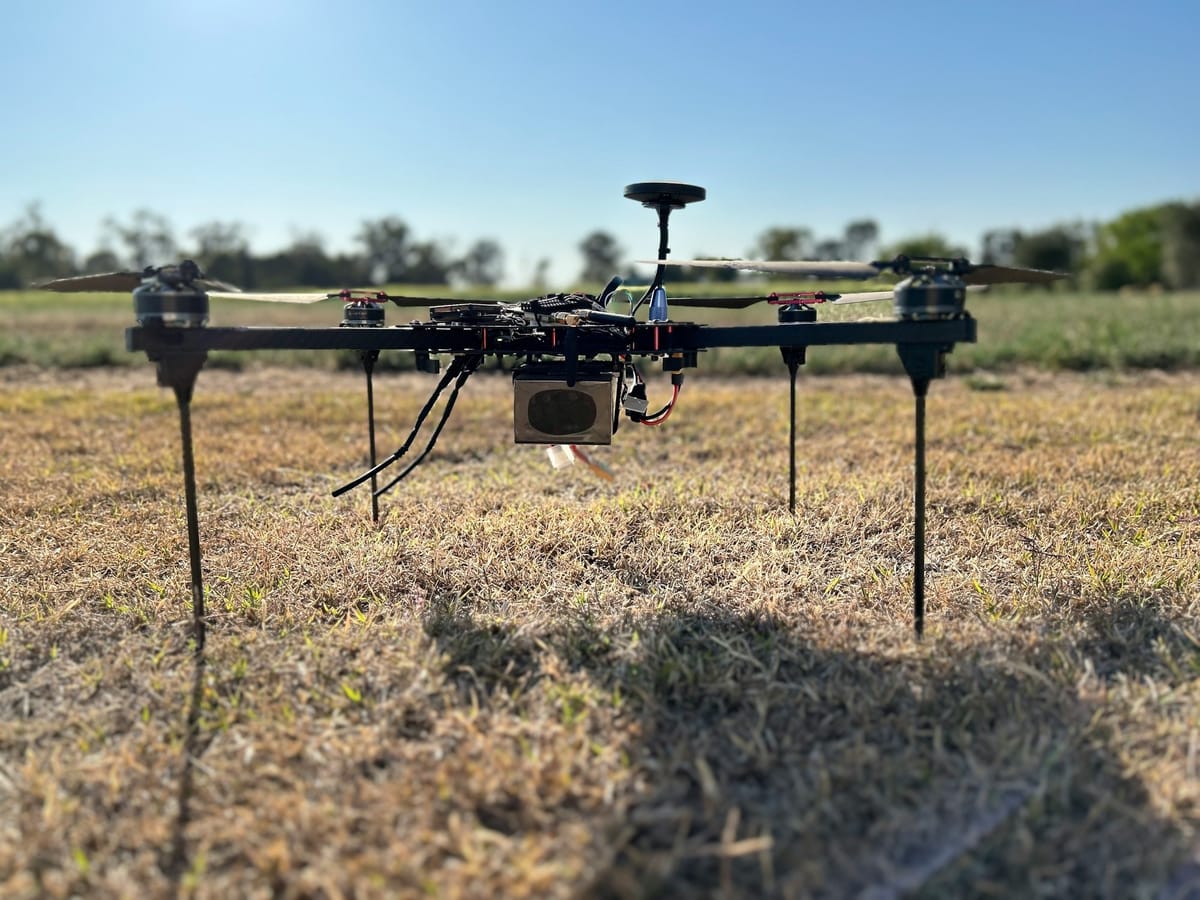
Ukraine's deployment of long-range drones is significantly impacting the ongoing conflict with Russia. These advanced unmanned aerial systems (UAS) are being used for reconnaissance and precision strikes, allowing Ukrainian forces to engage targets deep within Russian-held territory.

Key facts
- Ukraine's long-range drones can strike targets deep within Russian territory.
- Drones are used for both reconnaissance and precision strikes.
- The deployment is reshaping battlefield dynamics and operational strategies.
2 minute read
Ukraine’s long-range drones are rewriting the cost curve, giving Kyiv inexpensive reach against refineries, depots, and command nodes far from the front. These attacks force Russia to spread air defenses, harden logistics, and invest in redundancy, shifting resources from offensive operations to protection. Iterative designs and modular payloads let Ukraine test routes, map sensors, and refine guidance at pace, trading scarce missiles for scalable, attritable platforms. This campaign imposes persistent friction on Russian planning, erodes rear-area sanctuary, and highlights the vulnerability of critical infrastructure to low-cost saturation.
For Europe and NATO, this is a live stress test of integrated air and missile defense. Protection must expand from air bases to energy, transport, and industrial nodes, combining layered sensors, electronic warfare, rapid-reload point defenses, and stocks of low-cost interceptors. Maritime and energy networks also require contingency plans against mirrored swarming, low-altitude routes, and spoofing tactics that exploit radar and legal seams.
This new threat dictates that procurement should prioritize volume, interoperability, and logistics resilience, not exquisite one-off systems. Common standards, secure supply chains, and targeted export controls are essential to grow a European drone-industrial base while simultaneously reducing sanctions evasion and dual-use leakage.
Policy risk is rising as cross-border strikes blur thresholds and tighten escalation management. Capitals need clear guidance on funding long-range effects, the degree of targeting autonomy Kyiv should have inside Russia, and coordination with cyber and space-based ISR to preserve accuracy and conserve munitions. Europe’s defense will increasingly depend on affordable reach and resilient counters at scale.
You might also like to read…
 Mr. T (Curator)
 Mr. T (Curator)
 Mr. T (Curator)