Ukrainian army probes 14th Brigade after frontline supply collapse
Ukraine removed and demoted commanders after reports the 14th Brigade faced extreme shortages near Kupiansk, as Russian strikes on Oskil crossings forced watercraft and heavy-UAV resupply—an object lesson for European high-intensity logistics.


Key facts
- Ukraine’s General Staff removed one commander and demoted another after images of emaciated 14th Brigade soldiers circulated online.
- The General Staff cited Russian strikes on Oskil River crossings near Kupiansk as a major factor, forcing reliance on watercraft and “heavy UAVs” for logistics.
- Ukraine’s Joint Forces Task Force called the situation a management failure and said additional supplies were being dispatched while urging commanders not to hide difficulties.
3 minute read
Ukraine’s General Staff has launched an investigation and imposed immediate personnel actions after reports that frontline troops in the 14th Brigade were suffering acute food and water shortages in the Kharkiv sector. The trigger was the appearance online of images showing visibly emaciated infantrymen; Kyiv says an army commander was removed and another officer demoted, with both accused of failing to report the situation to higher headquarters.
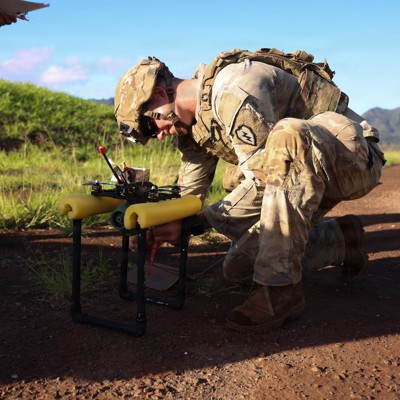
According to the reporting cited, soldiers of the brigade’s second battalion operating near Kupiansk across the Oskil River were drinking rainwater and fainting from hunger. The General Staff publicly framed the proximate operational cause as systematic Russian air and missile strikes on crossings over the Oskil, which “significantly complicated” logistics. It stated that supply to units in the area is being conducted via watercraft and “heavy UAVs”, an explicit acknowledgment that the conventional ground logistics chain is intermittently non-viable under persistent ISR and strike pressure.
The episode also exposes a command-and-control failure mode: the General Staff says it was unaware of the brigade’s food-supply issues, while the Joint Forces Task Force described the situation as a “horrible management shame” stemming from long-term corps-level decisions and dysfunctional interaction with subordinate units. The Task Force’s statement indicates that readiness reporting at multiple echelons portrayed the situation as organised and controlled despite evidence to the contrary, highlighting how information friction and reputational incentives can compound kinetic interdiction effects.
For European defence officials, the implications are direct even though the incident is Ukrainian. First, the logistics fight is increasingly a drone fight: a contested “grey zone” extending roughly tens of kilometres behind the forward line can make routine movement of food, water and ammunition prohibitively risky. Second, reliance on UAV-enabled resupply is shifting from niche to necessity, but it is not a panacea; it depends on air defence, electronic protection, launch-and-recovery infrastructure, and a robust prioritisation system. Third, procurement and doctrine should treat protected mobility, low-signature sustainment, and resilient reporting mechanisms as operational enablers on par with fires and ISR, because battlefield starvation is not merely a moral failure but a combat power collapse.
Source: POLITICO Europe