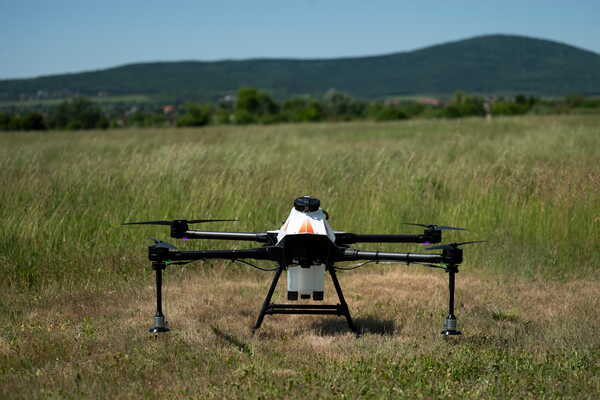
US troops test counter-drone systems in Germany to bolster NATO air defences
US troops are testing counter-drone systems in Germany to strengthen NATO air defences and improve allied detection, tracking and defeat capabilities.

Key facts
- US troops in Germany tested C-UAS sensors, tracking and kinetic/electronic defeat options with NATO partners.
- Exercises prioritised interoperability, command-and-control data-sharing and lessons for NATO procurement.
- Trials examined legal, safety and airspace-management challenges of deploying C-UAS in European skies.
2 minute read
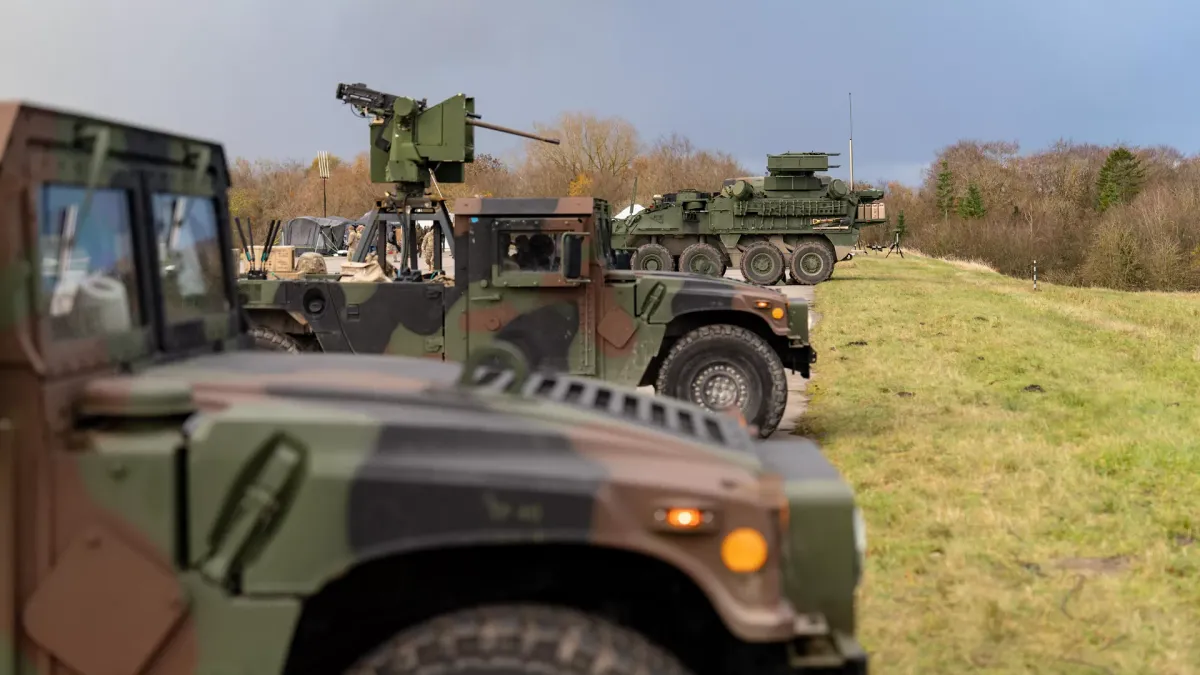
US forces deployed to training areas in Germany recently conducted targeted trials of counter-unmanned aircraft systems aimed at strengthening NATO’s layered air-defence posture. The exercises brought together detection equipment, tracking networks and a range of defeat options — both kinetic and electronic — to evaluate performance against small drones and emerging swarm tactics. A central focus was interoperability: how sensors, shooters and command-and-control systems share tracks and decisions across national lines in near-real time. NATO officials say results will feed alliance-level doctrine, procurement priorities and standards-setting to ensure member states can operate together against proliferating drone threats.
Trials also scrutinised non-technical constraints that shape C-UAS deployment in Europe — legal frameworks, flight-safety procedures, and the complexities of managing civilian airspace during defensive actions. This pragmatic approach reflects lessons learned from recent conflicts where small UAS have posed persistent risks to infrastructure and forces. For European planners the exercises underscore two imperatives: accelerate fielding of layered, multi-domain defences that combine sensors and diverse effectors; and deepen multinational exercises to harmonise tactics, techniques and procedures. The US-led testing in Germany signals continued American investment in NATO’s deterrence and resilience, while emphasising that capability gaps can be closed faster through joint experimentation, shared data standards and coordinated procurement choices across the Alliance.
Source: NATO