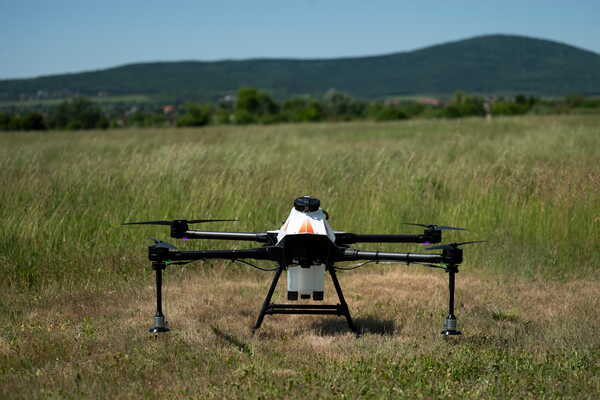
Vermeer Raises $10M for GPS-Free Drone Navigation in Defense Sector
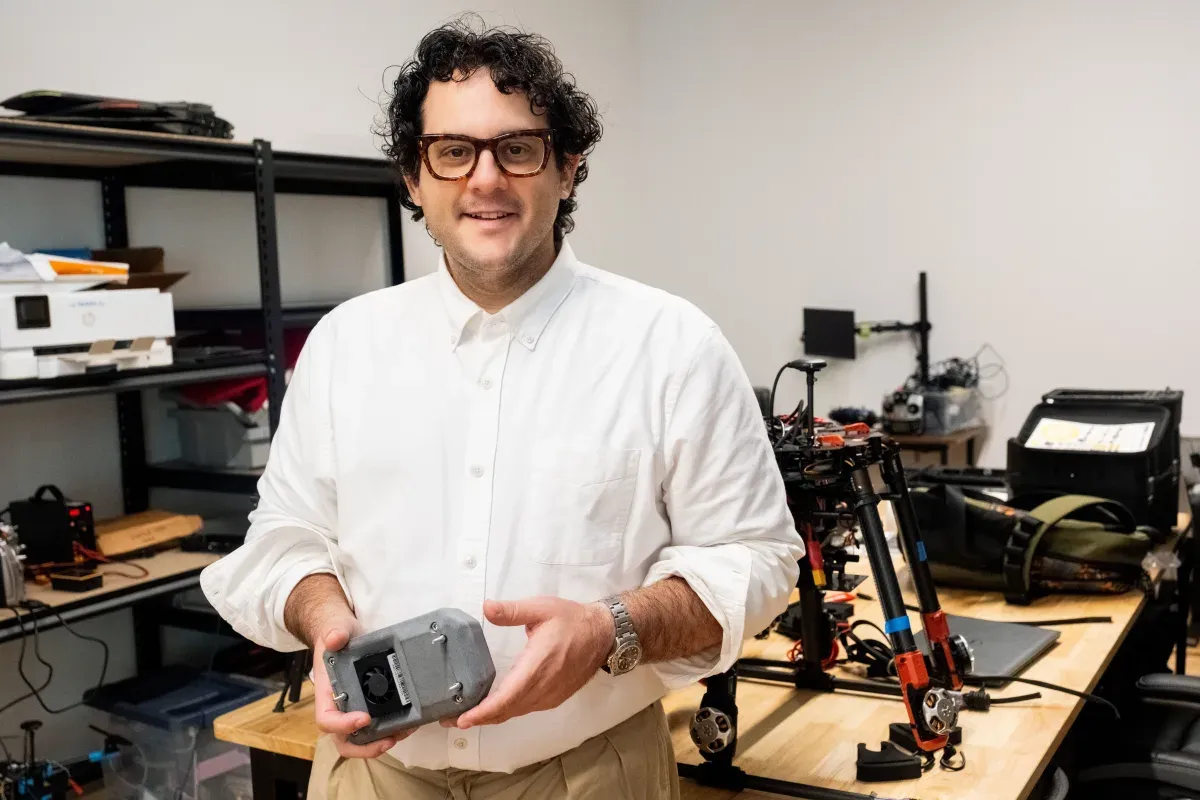
Vermeer, a defense tech startup, has secured $10 million in Series A funding to enhance GPS-free drone navigation systems. This investment aims to bolster capabilities for both defense and dual-use applications, marking a significant advancement in drone technology.

Key facts
- Vermeer has raised $10 million in Series A funding for drone navigation technology.
- The funding will enhance GPS-free optical navigation systems for defense use.
- Investors include Draper Associates and the U.S. Air Force Techstars accelerator.
2 minute read
Vermeer’s raise is a timely signal of where the contest for air dominance is heading. Optical navigation that operates without GPS targets Europe’s most acute vulnerability, pervasive GNSS jamming and spoofing from the High North to the Black Sea. For NATO forces, this is not a niche upgrade. It is a requirement for sustaining ISR, strike, and logistics drones in electromagnetic combat, and for keeping mixed fleets usable when satellites are denied.
For European planners, the strategic task is integration. Optical navigation should sit alongside Galileo PRS, inertial systems, terrain and visual map matching, and resilient timing as a layered PNT architecture. That means aligning interfaces and data standards with NATO STANAGs so allied drones can switch seamlessly among modalities. It also argues for test and certification via DIANA and rapid procurement channels at NSPA and national agencies to get validated kits into existing UAS quickly.
Industrial implications are significant. A US Ukrainian startup could be a partner for European primes and tier one suppliers, but dependencies and export controls must be managed. Co-development, European manufacturing, and code escrow would support sovereignty goals under the EU’s Defence Industrial Strategy and EDF. This is a chance for Europe’s sensor, optronics, and edge compute ecosystems to anchor critical PNT resilience at home while remaining interoperable with the United States.
Operationally, GPS-free optical navigation can restore BVLOS reliability, enable attritable swarms, and harden maritime and border surveillance where spoofing is routine. It raises new demands too, including high quality reference maps, on board compute, and counter countermeasures against adversary camouflage and decoys. Training, doctrine, and sustainment need to adapt as autonomy shifts from assistive to essential in contested airspace.
Europe’s defence edge will increasingly depend on autonomous systems that fight and survive without satellites.