Volocopter to Launch Europe's First eVTOL Sandbox in 2026
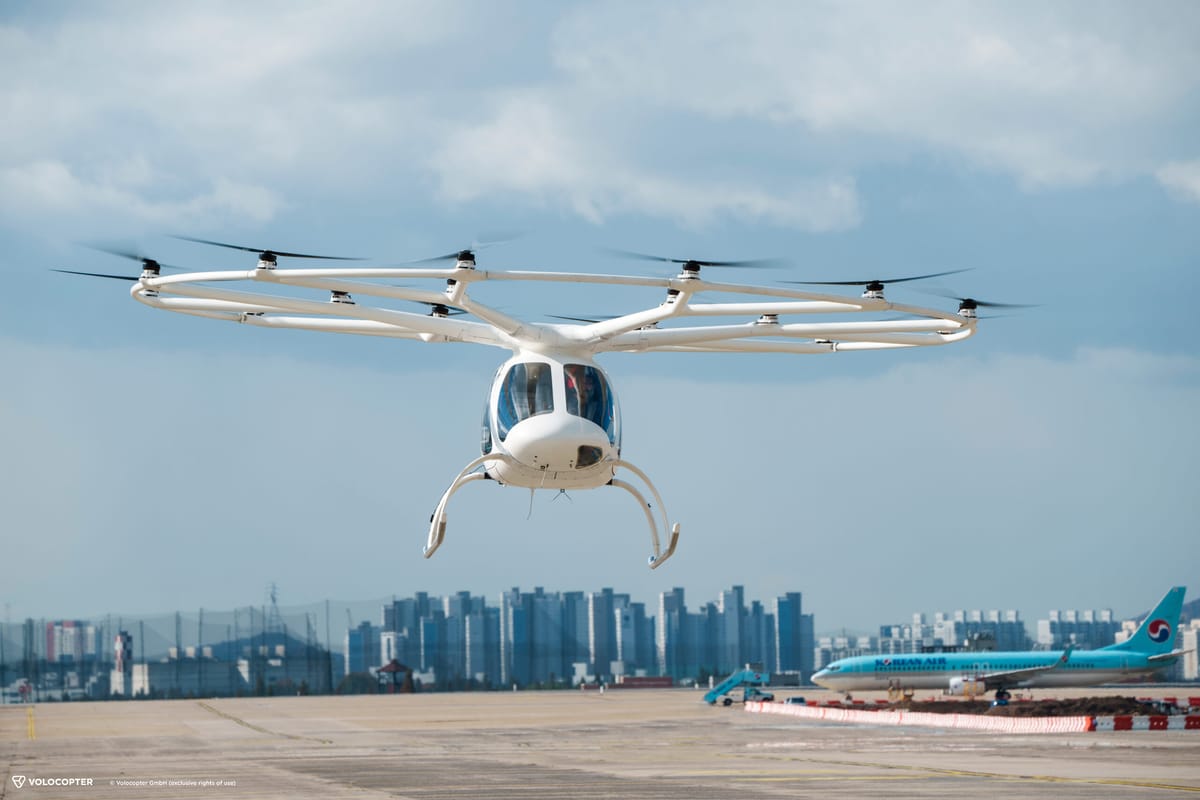
Volocopter is set to launch Europe’s first eVTOL sandbox in 2026, aiming to enhance the certification and operational readiness of its electric aircraft, VoloCity and VoloXPro. This initiative will facilitate near-commercial flight trials to simulate real-world ops and validate point-to-point.

Key facts
- Volocopter's eVTOL sandbox is set to launch in 2026.
- The initiative will focus on certification and operational readiness.
- It aims to validate real-world flight operations for urban air mobility.
2 minute read
Volocopter’s eVTOL sandbox is less a marketing exercise and more a policy instrument. By shifting from displays to sustained, repeatable operations under EASA oversight, it closes the gap between prototype and certified fleet. A controlled environment for VoloCity and VoloXPro will stress test maintenance, charging, vertiport procedures, and crew training while generating the evidence needed for type certification and operational approvals across multiple European jurisdictions.
For regulators and cities, a sanctioned testbed offers live data to align U-space services, air traffic integration, contingency routing, and noise abatement. Done well, it can produce a reference concept of operations that Member States can mirror, cutting fragmentation that slows deployments. It also creates a channel for early involvement of ANSPs, first responder agencies, and insurers, turning policy debates about risk into measurable performance thresholds and audit trails.
Strategically, Europe trails the United States and China in UAM capital and scale. A European sandbox with near commercial tempo can compress timelines to service entry before 2030, strengthen the aerospace supply chain, and attract finance tied to clear regulatory milestones. Dual use benefits are tangible for NATO partners, from resilient urban logistics to rapid medical response. The same playbook supports dispersed sustainment and communications relay in degraded civil environments.
Risks remain. Public acceptance, grid capacity at vertiports, cybersecurity, and counter UAS coordination will decide scale. Success requires transparent safety metrics, reliability targets, weather minima, and cost per seat or kilogram, plus interoperability with helicopters and existing drones. If Volocopter and regulators publish comparable results and codify them in standards, Europe will gain a repeatable pathway, not one-off demos. Airspace is becoming a decisive logistics domain for Europe’s next conflict.