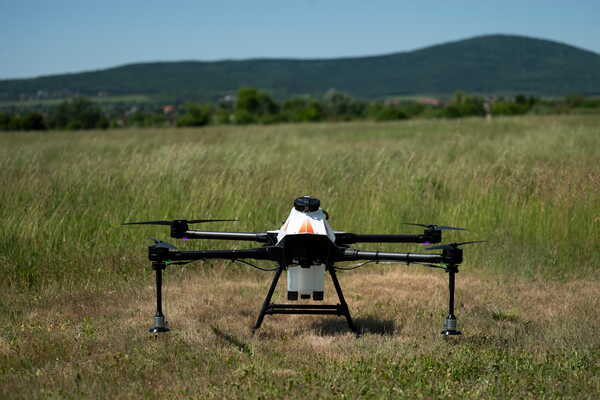
What Is Europe’s “Drone Wall”?
Europe is exploring a shared shield for its eastern skies after a string of Russian drone incursions. The idea is still taking shape, but the goal is clear: spot hostile drones early, share data fast, and stop them before they matter.

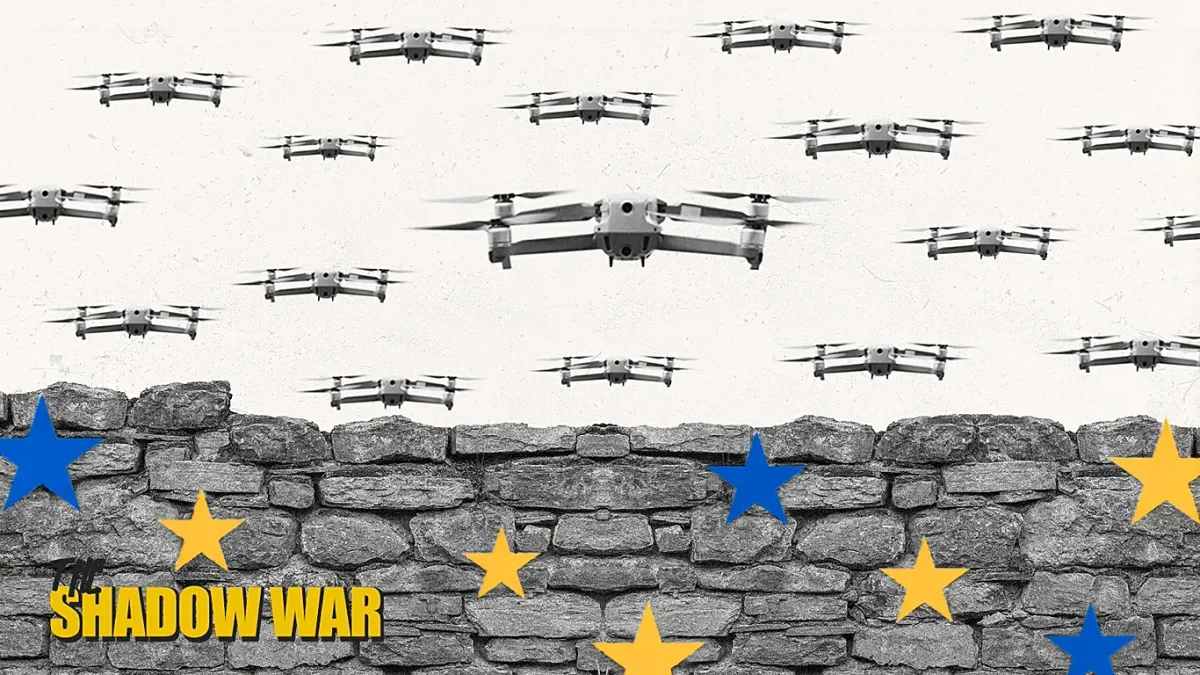
Europe is exploring a shared shield for its eastern skies after a string of Russian drone incursions. The idea is still taking shape, but the goal is clear: spot hostile drones early, share data fast, and stop them before they matter.
Where did the idea come from?
Ursula von der Leyen floated an “eastern flank watch,” including a drone wall, in her State of the Union speech in September. The tone was urgent. On the same day, Polish officials reported Russian drones crossing into their airspace. In the weeks that followed, Romania reported a similar incident and Russian jets entered Estonian skies. EU leaders picked up the topic in Copenhagen soon after.
What would a drone wall actually be?
Not a line of concrete or fencing. Think of a distributed network that can detect, track, and disrupt unmanned aircraft at the moment they cross into EU or allied airspace. It would mix sensors and effectors that many countries already use: radar, radio frequency detectors, acoustic arrays, optical systems, jammers, and links into air traffic and defense networks. The difference is coordination. Countries would share data in real time and standardize how they respond.
NATO is engaged as well. Secretary General Mark Rutte put it bluntly: using very expensive missiles on cheap drones is a losing game, so Europe needs smarter tools and tactics. Denmark’s Prime Minister Mette Frederiksen described the plan as building a European network that can detect and neutralize intrusions. Lessons from Ukraine are expected to inform the design.
Why the urgency?
Russia has ramped up military pressure while the war in Ukraine grinds on. European leaders want to show that the continent can protect its borders even as US policy debates create uncertainty. Former NATO chief Anders Fogh Rasmussen warned that delays would be risky and said Europe cannot afford to wait a year to switch this on.
How fast could it happen?
Speed is the ambition, but politics and procurement are slow. Germany’s defense minister, Boris Pistorius, cautioned against overpromising and said no one should expect a fully realized system in the next few years. Technology is shifting quickly, too. As Frederiksen noted, there is no single fix. Even with a new network in place, some drones will still get through.
Who pays?
The European Commission has signaled it will assemble a financing toolkit for the shield. Andrius Kubilius, the commissioner for defense and space, said the EU would build a comprehensive set of funding options. Some capitals want more than loans. Poland’s deputy prime minister argued for grants and subsidies to move in step with the threat.
The bigger picture
A drone wall would sit inside a wider push to guard the EU’s eastern flank. That includes tighter maritime security and real time space surveillance to track movements across domains. Lithuania’s president, Gitanas Nausėda, summed up the mood: plans on paper do not detect drones. Working systems do.
Bottom line
Europe is not proposing a physical barrier. It is trying to knit together the sensors, software, and rules that already exist into a common front, and to fund the gaps that remain. The project will be judged on two things: how quickly countries can connect the dots, and whether the network can adapt as drones get cheaper, smarter, and harder to spot.