Finnish President Highlights Nuclear Tensions Amid Drone Surveillance of NATO Site
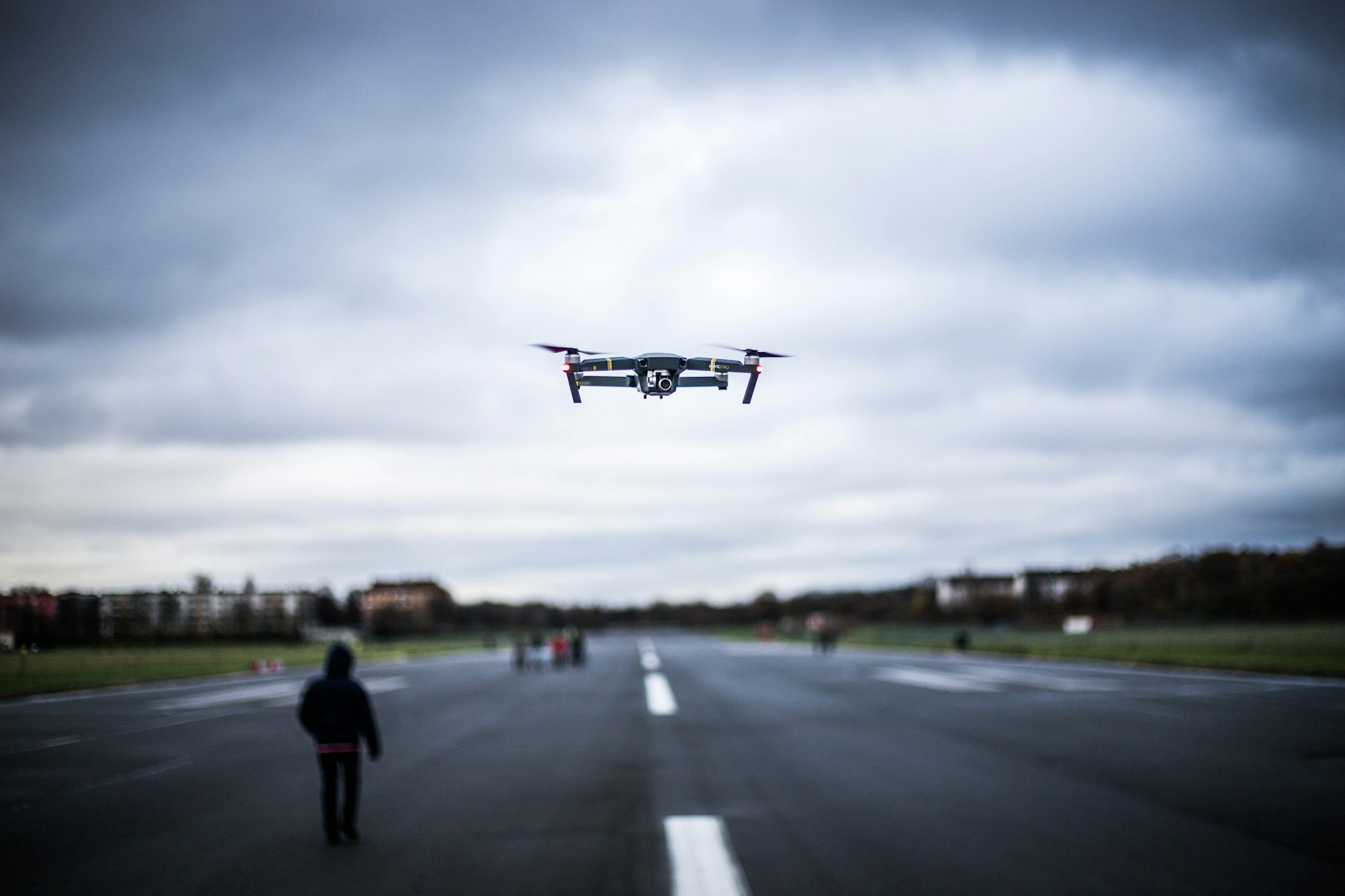
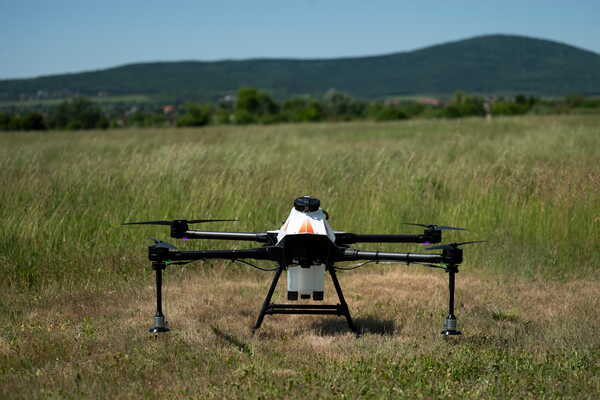
Finnish President Sauli Niinistö has raised concerns over escalating nuclear tensions in Europe, particularly following reports of drones surveilling NATO's nuclear deterrence site in Belgium. This situation is indicative of broader geopolitical anxieties and the evolving role of unmanned aerial sys


Key facts
- Finnish President Niinistö warns of rising nuclear tensions in Europe.
- Drones have been spotted surveilling NATO's nuclear deterrence site in Belgium.
- The situation highlights the evolving role of unmanned systems in military intelligence.
2 minute read
Niinistö’s warning points to a vulnerability at the intersection of nuclear deterrence and grey-zone activity. Unattributed drones near a Belgian site believed to support NATO’s nuclear posture probe for patterns, test air-defence seams and create ambiguity that complicates crisis management. The aim is not only to collect imagery. It is to signal that sensitive facilities can be surveilled at will, raising doubts about response thresholds and eroding routine secrecy that underpins nuclear sharing.
For allies, the policy question is speed and coherence. Counter-UAS must be treated as part of integrated air and missile defence, not a peripheral security add-on. That means persistent low-altitude surveillance, more sensors at base perimeters, layered defeat options from detection and identification to jamming and kinetic interceptors, and clear rules for when to act in peacetime airspace. Because many incursions straddle civil and military jurisdictions, national police, aviation regulators and the military need shared playbooks and evidence chains that support attribution and, if necessary, sanctions.
Strategically, the alliance should treat drone probing as hybrid coercion aimed at its nuclear credibility. Regularised consultations, exercises that include counter-UAS at nuclear-supporting bases, and transparent public messaging can reduce miscalculation while demonstrating unity. Finland’s entry into NATO adds a northern perspective that prioritises resilience, rapid decision-making and tight coordination with the Baltic and North Sea air picture.
The European Union can complement NATO by financing interoperable counter-UAS through common procurement, harmonising spectrum policy for jamming, and tightening rules on high-end components that feed hostile drone programs. Intelligence sharing and forensics on wreckage, electronics and flight paths will be vital to map networks behind the flights and impose costs.
Europe’s defence will be shaped by who controls the low sky and the electromagnetic spectrum.
You might also like...
 Mr. T (Curator)
 Mr. T (Curator)
 Mr. T (Curator)