Ukraine trades counter-drone expertise for Gulf fuel routed via Europe
Zelenskyy says Ukraine struck 10-year deals with Saudi, Qatar and UAE trading counter-drone expertise for interceptors, funding and crucial oil/diesel—some refined in Europe.


Key facts
- Zelenskyy says Ukraine has 10-year agreements with Saudi Arabia, Qatar and the UAE exchanging defence expertise for interceptors, funding and fuel.
- Ukraine reportedly deployed 200+ anti-drone personnel to help Gulf partners counter Iranian Shahed-type drones.
- Some Gulf crude would be refined in Europe before onward delivery to Ukraine; other supplies would arrive as finished diesel.
3 minute read
Ukrainian President Volodymyr Zelenskyy says Kyiv has agreed long-duration defence arrangements with Saudi Arabia, Qatar and the United Arab Emirates that would exchange Ukrainian operational support—particularly in countering Iranian-origin, low-cost one-way attack drones—for a package of military and economic assistance centred on energy supply. Zelenskyy described the deals as ten-year agreements and said Ukraine would receive missile interceptors, financial assistance, and, critically, oil and diesel to mitigate an acute wartime fuel shortage driven by Russian strikes on depots and the inherent risk of holding large fuel stocks inside a contested battlespace.
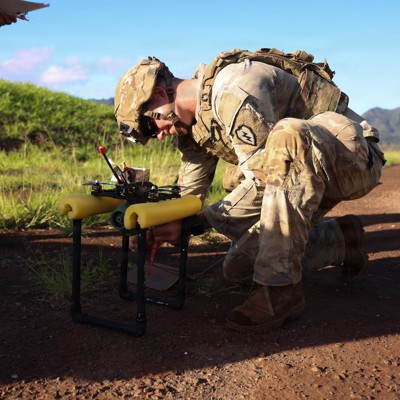
The agreements were initially signalled in March without detail, amid heightened regional pressure from Iranian drone attacks. Zelenskyy now links Gulf demand directly to Ukraine’s accumulated drone-combat experience after years of defending against Shahed-type systems used extensively by Russia. He said that last month Ukraine deployed more than 200 soldiers from its anti-drone units to the Middle East to help partners defend against Shahed drones—implicitly positioning Ukrainian tactical lessons, electronic warfare practices, and air-defence integration as an exportable service.
From a European standpoint, the most consequential detail is Zelenskyy’s claim that some deliveries would be crude oil shipped to refineries in Europe for processing before being provided as usable products, while other tranches would arrive as finished diesel. If accurate and implemented at scale, this places parts of the EU refining and fuel-logistics chain directly into Ukraine’s wartime sustainment architecture, raising questions for European governments and operators about capacity allocation, contracting structures, transport security, and compliance screening—particularly given the wider regional context of Iranian systems proliferation and the heightened political sensitivity of energy-linked security arrangements.
Zelenskyy stated he has secured enough fuel for the next year and said similar agreements were being pursued with Oman, Kuwait and Bahrain. Ukraine’s dependence on external fuel supply is high, with Ukrainian reporting cited in the source indicating imports cover around 85% of fuel stocks, and prior reporting noting diesel rationing among Ukrainian forces, which directly affects mobility of heavy armour and logistics endurance.
Source: POLITICO Europe