Ukraine's Drone Strategy Challenges European Military Economics
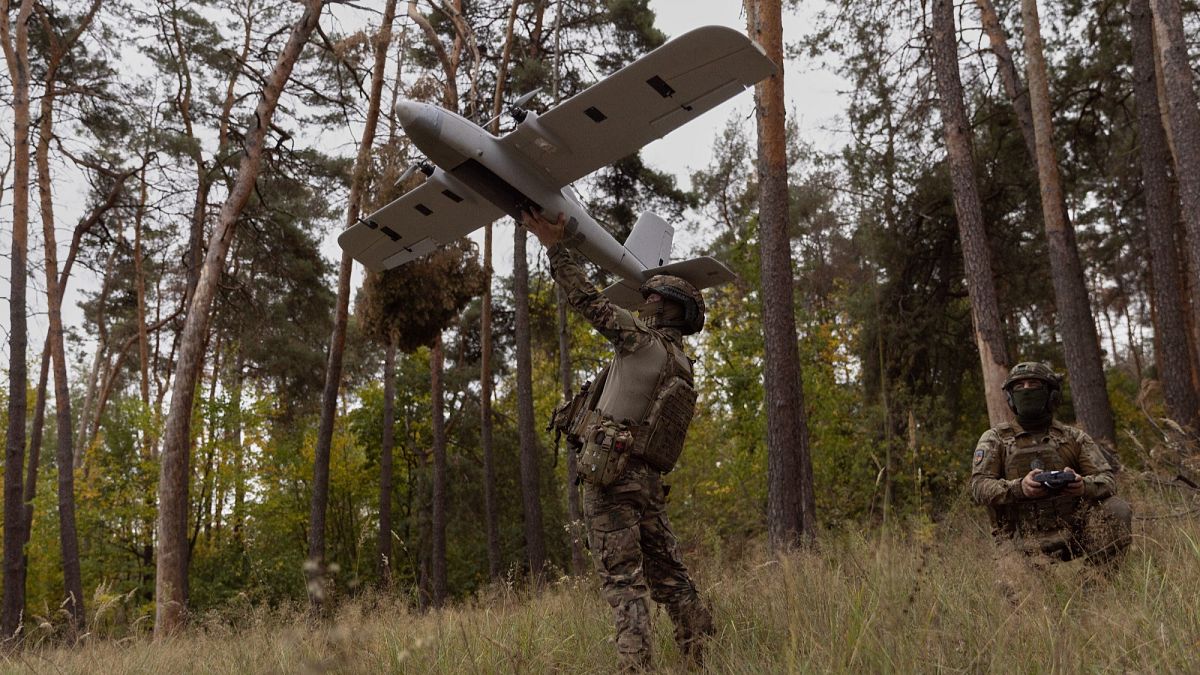
Ukraine's innovative use of drones in warfare is reshaping military strategies and economic considerations in Europe. As the conflict evolves, European nations are compelled to reassess their defense spending and operational tactics to adapt to this new paradigm.

Key facts
- Ukraine's drone operations have significantly altered battlefield dynamics.
- European nations are reevaluating defense budgets in light of drone capabilities.
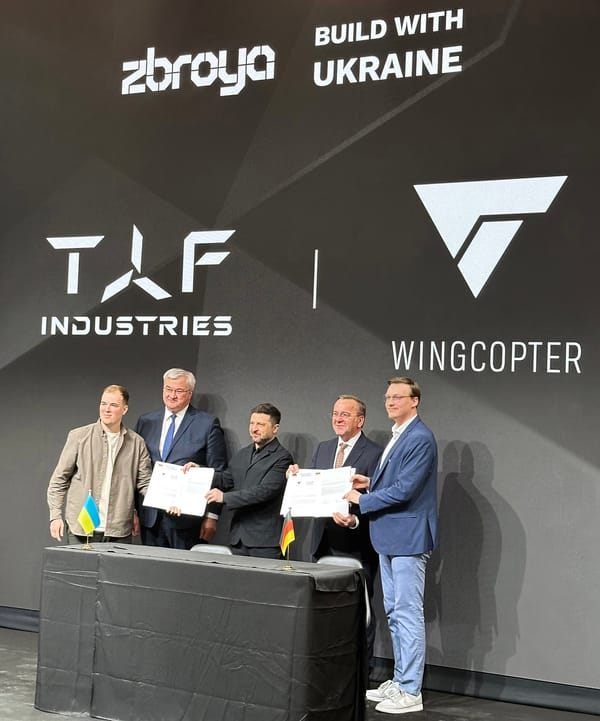
- Collaboration on drone technology is becoming essential for European defense.
2 minute read
Ukraine’s rapid scaling of cheap, adaptable drones has upended the cost curve of air defense, exposing Europe’s vulnerability to saturation attacks and attrition. Firing high end interceptors at low cost targets is unsustainable. European planners are shifting toward layered protection that blends electronic warfare, jamming, soft kill effects, guns, short range missiles, decoys and dispersed sensors. The goal is endurance and density, not perfection, with attritable platforms and autonomous systems absorbing risk while expensive assets stay at standoff range.
This demands procurement reform. Ministries need faster, iterative buys, open architectures, and greater use of commercial off the shelf components. Common standards for data links, payloads and counter UAS should be set through NATO and the EU to avoid fragmentation. Pooled funding, framework contracts and joint trials can compress timelines. Stockpiles of munitions, spare parts and batteries must be rebuilt, and training pipelines expanded for operators, electronic warfare teams and maintainers who can integrate drones into combined arms operations.
Industrial policy is central. Europe must scale production of airframes, engines, optics, secure communications and electronic warfare modules, while reducing reliance on sensitive components from abroad. Dual use firms and startups should be pulled into defense through predictable demand signals, export clarity and test ranges that enable rapid certification. Investing in resilient, ITAR free supply chains and software talent will matter as much as airframes. Eastern Europe can host maintenance hubs and co production lines that support Ukraine and backfill NATO stocks.
Strategically, NATO’s edge will hinge on resilience, redundancy and decision speed. That means better protection of critical infrastructure, hardened logistics, and kill chains that link sensors to shooters in seconds. Supporting Ukraine’s combat proven lessons with co development and data sharing will accelerate adaptation at home. Europe is moving toward a defense model that prizes scale, iteration and networked effects.
You might also like to read…
 Mr. T (Curator)
 Mr. T (Curator)
 Mr. T (Curator)